


Petrochemical
Acetone, MEK, NMP, DMF, toluene, xylene, paraffins: most industrial solvents are still made from oil.

Italy's leading developer of bio-based solvents, since 2006.
Proprietary blends that mimic the petrochemical solvent you use today, so your process can stay as it is.
Each ASTROBIO™ grade blends esters, alcohols, glycols and amides from renewable resources to match the physicochemical properties of one petrochemical solvent. When your application needs it, we adapt the blend.
Some grades include a variable share of fossil co-solvents.
Acetone, MEK, NMP, DMF, toluene, xylene, paraffins: most industrial solvents are still made from oil.
Their ASTROBIO™ twins: blends built to do the same job, from renewable carbon.
Acetone
CAS 67-64-1
K1
MEK
CAS 78-93-3
Methyl ethyl ketone
K2
MIBK
CAS 108-10-1
Methyl isobutyl ketone
K3
MIAK
CAS 110-43-0
Methyl isoamyl ketone
K4
Cyclohexanone
CAS 108-94-1
CX
Butyl acetate
CAS 123-86-4
BA
Ethyl acetate
CAS 141-78-6
AC
Ethyl lactate
CAS 687-47-8, 97-64-3
EL
Dibasic esters
CAS 95481-62-2
DBE
DS
NMP, NEP, NBP
CAS 872-50-4
N-methyl-2-pyrrolidone, variants NS3, NS5, NS6
NS
DMF
CAS 68-12-2
Dimethylformamide
DM
Toluene, xylene
CAS 108-88-3, 1330-20-7
XT
D-limonene
CAS 5989-27-5
SD8
Paraffin D40
CAS 64742-48-9
K40
Paraffins D60
CAS 64742-48-9
SR
Paraffin D100
CAS 64742-48-9
S100
Heavy naphtha
CAS 64742-48-9
G4
Butyl glycol
CAS 111-76-2
BC
PM acetate
CAS 108-65-6
Propylene glycol methyl ether acetate
PA
DPM
CAS 34590-94-8
Dipropylene glycol methyl ether
DP
Isopropyl alcohol
CAS 67-63-0
IPA
K80
Benzyl alcohol
CAS 100-51-6
VL
20-30%
more efficient than the related fossil solvents at reducing viscosity.
For many resins, polymer grades and soils, with a high loading capacity: less solvent for the same result.
In cleaning applications they stay on the job longer.
Recovering spent solvent is simple and inexpensive.
In formulations they help avoid craters, fisheyes and orange peel.
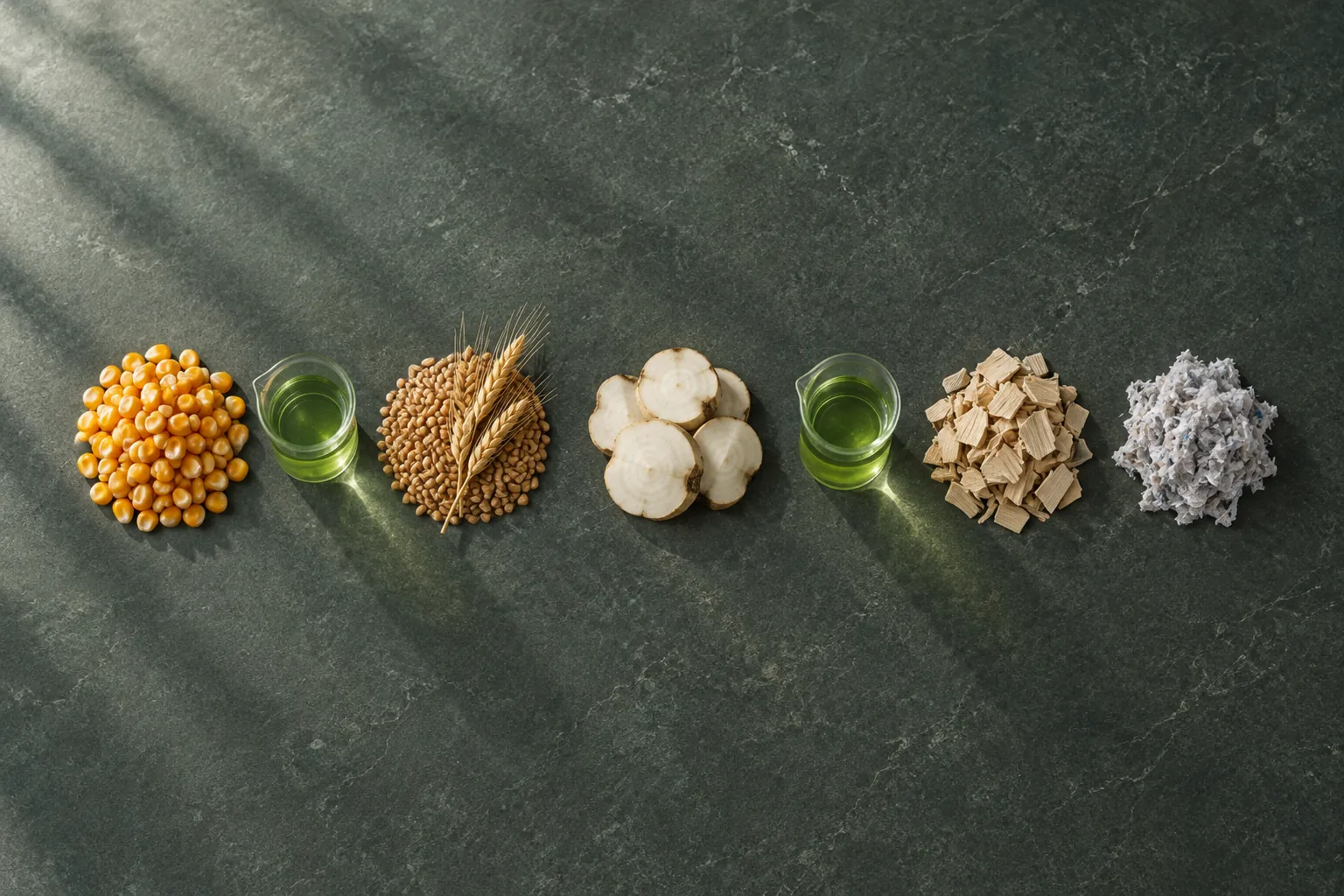
Our raw materials come from renewable resources: corn, wheat, sugar beet and wastes of the paper and wood industry.

1
Plants take CO₂ from the air and build it into starches, sugars and cellulose.
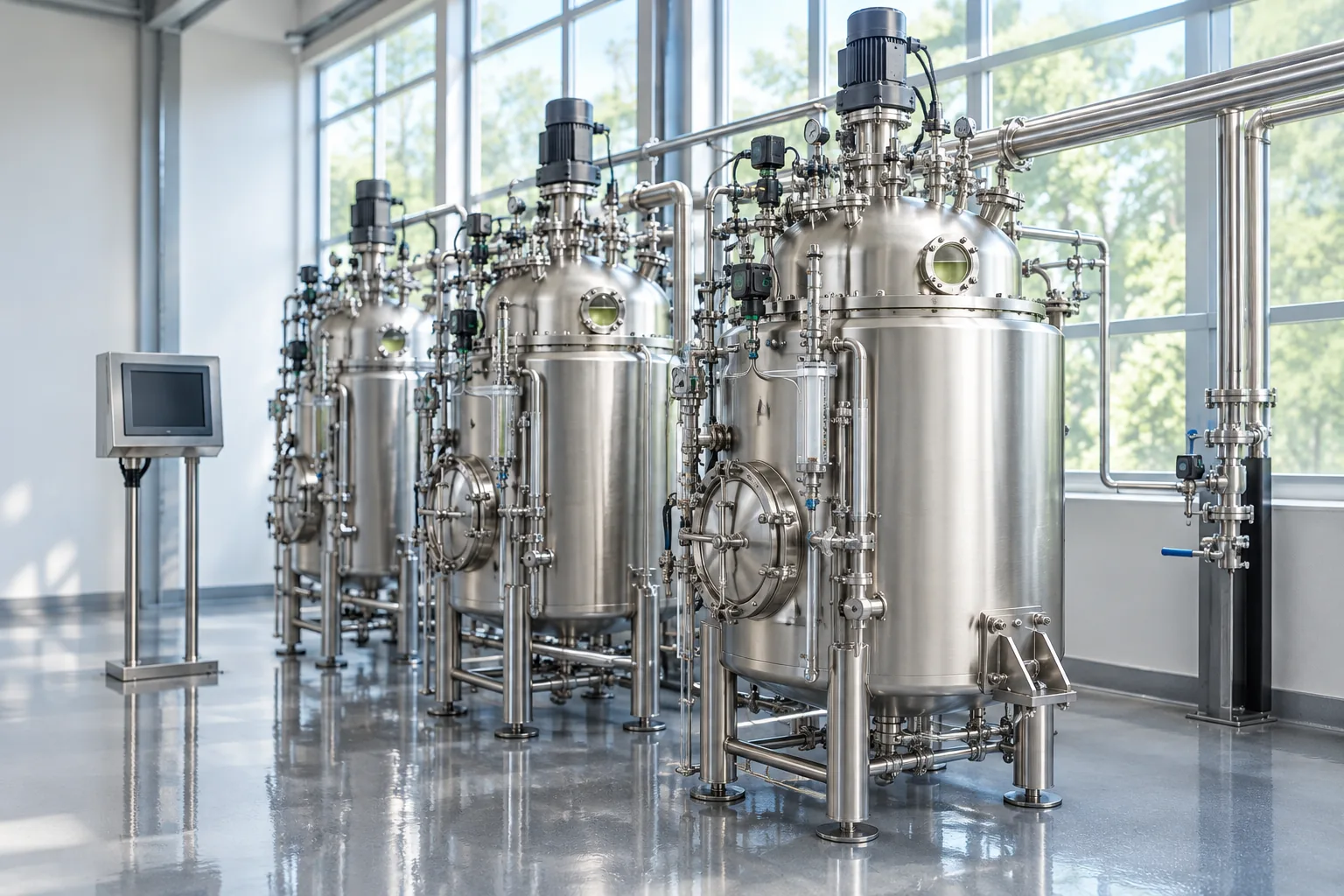
2
Renewable raw materials become esters and derivatives of natural acids, bio-based alcohols, glycols and amides.
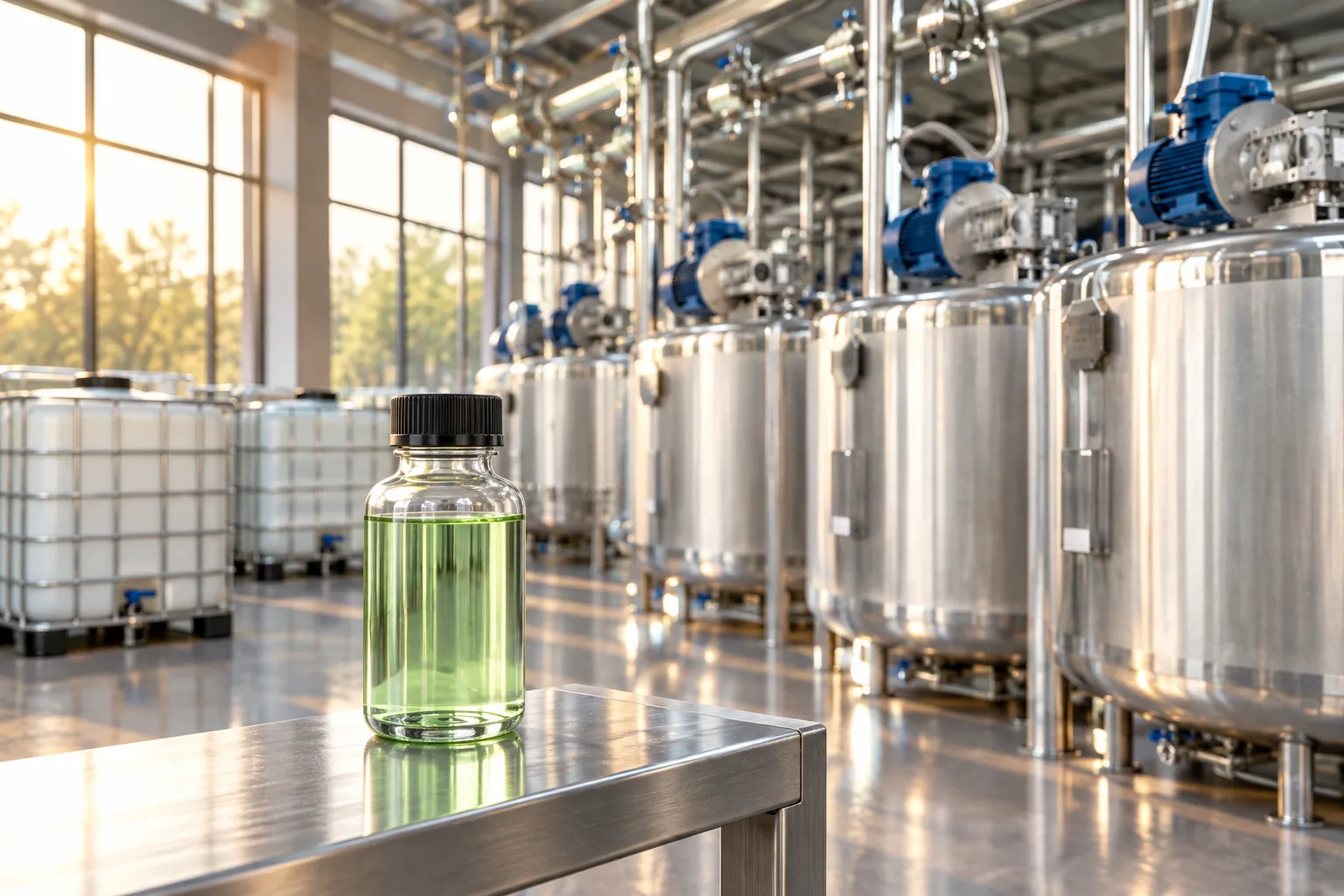
3
We blend them in the right amounts to mimic the solvent you need to replace.

4
Every component is readily or inherently biodegradable according to OECD guidelines.
1 g out, 1 g in.
For every gram of CO₂ a biosolvent releases, one gram was removed from the atmosphere by photosynthesis. This balance is what carbon neutral means.
Six industries where ASTROBIO™ grades replace petrochemical solvents, as ingredients in your formulations or directly in your process.

For coatings, lacquers, paints and varnishes, with fewer craters, fisheyes and orange peel.
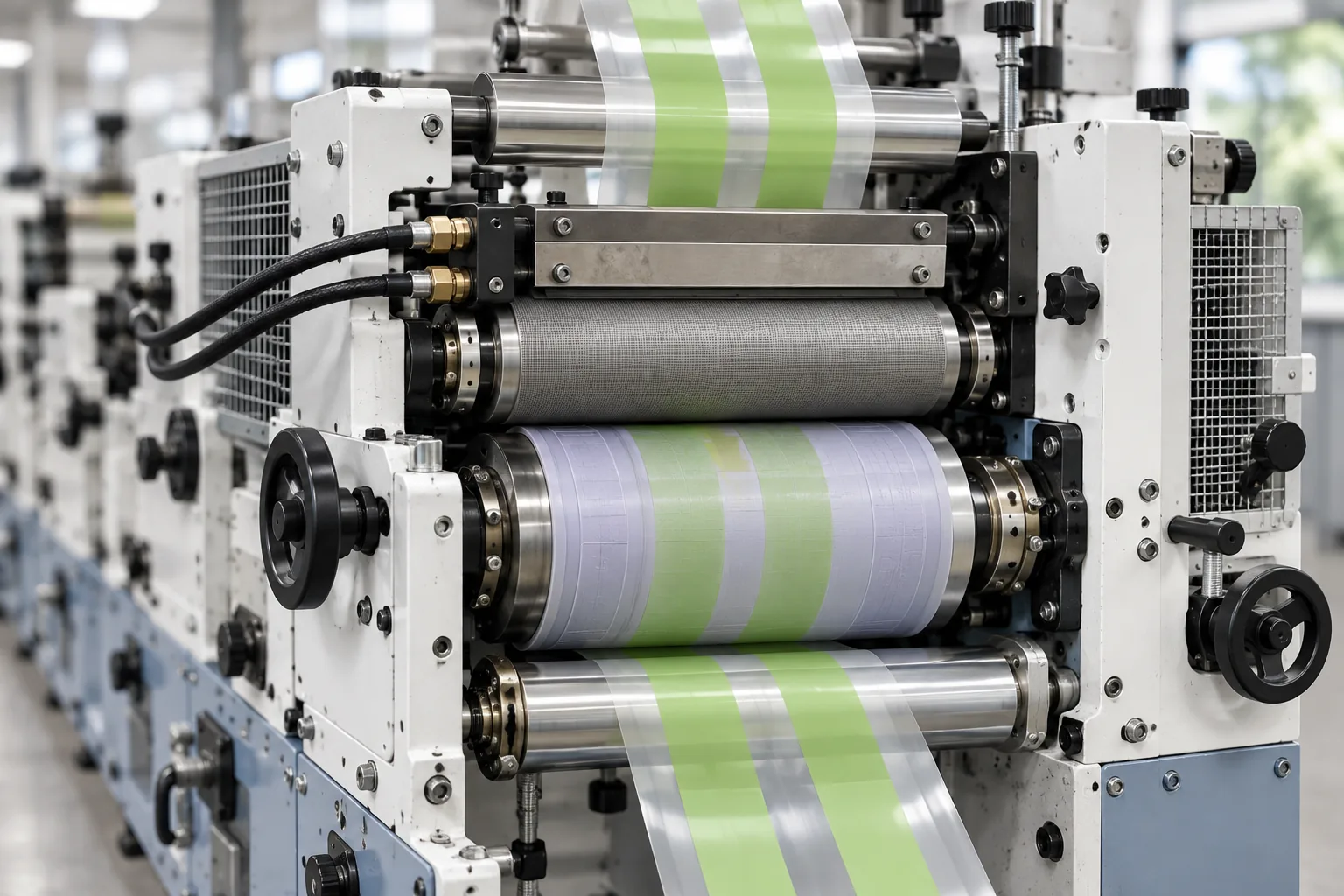
Solvents for ink formulations, and G5 for cleaning printing machinery.
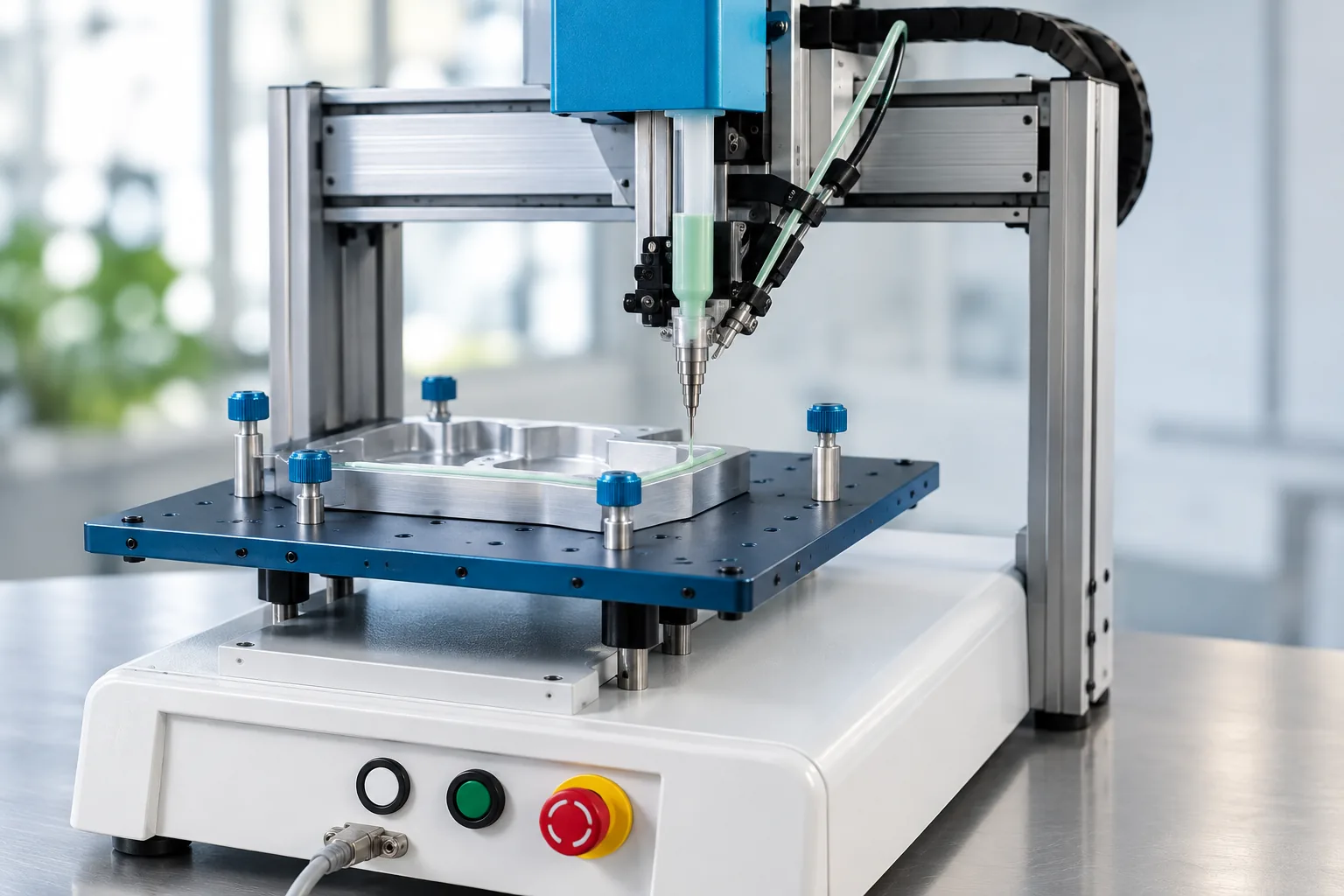
Solvents to formulate adhesives, and G3 to remove mastics and adhesives.
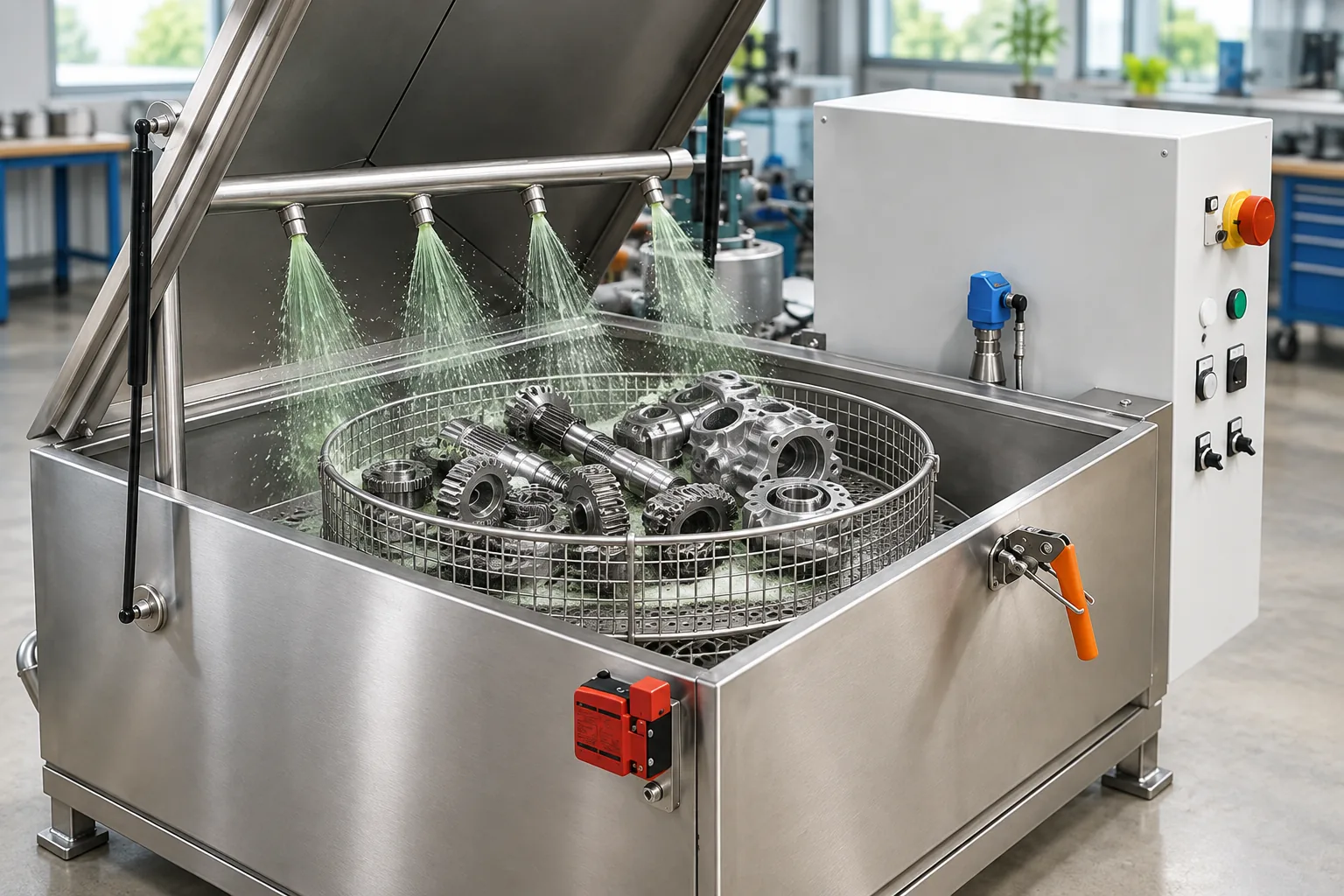
Heavy-duty degreasers and cleaners for metal surfaces and machinery.
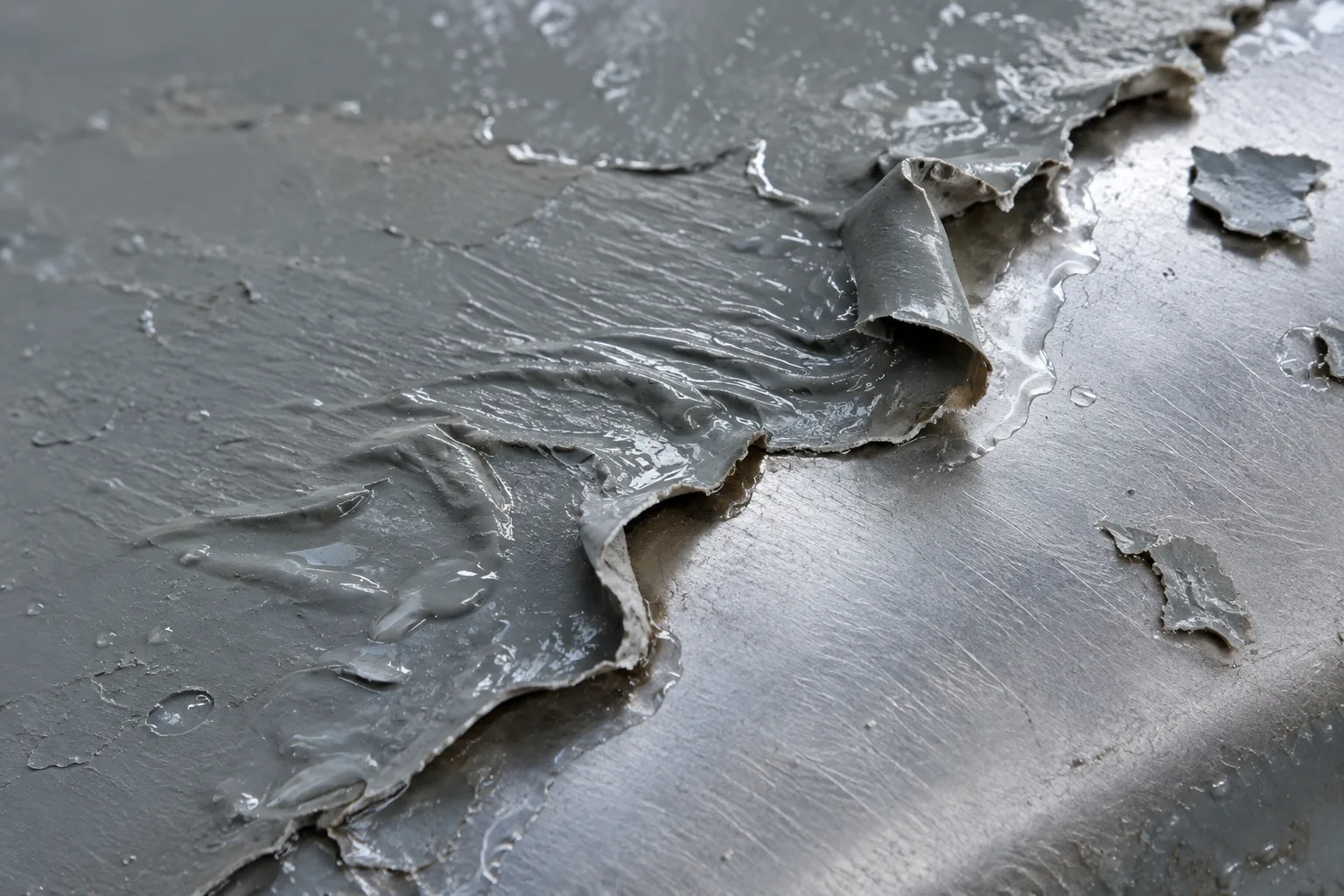
Bio-based paint strippers for coated surfaces.
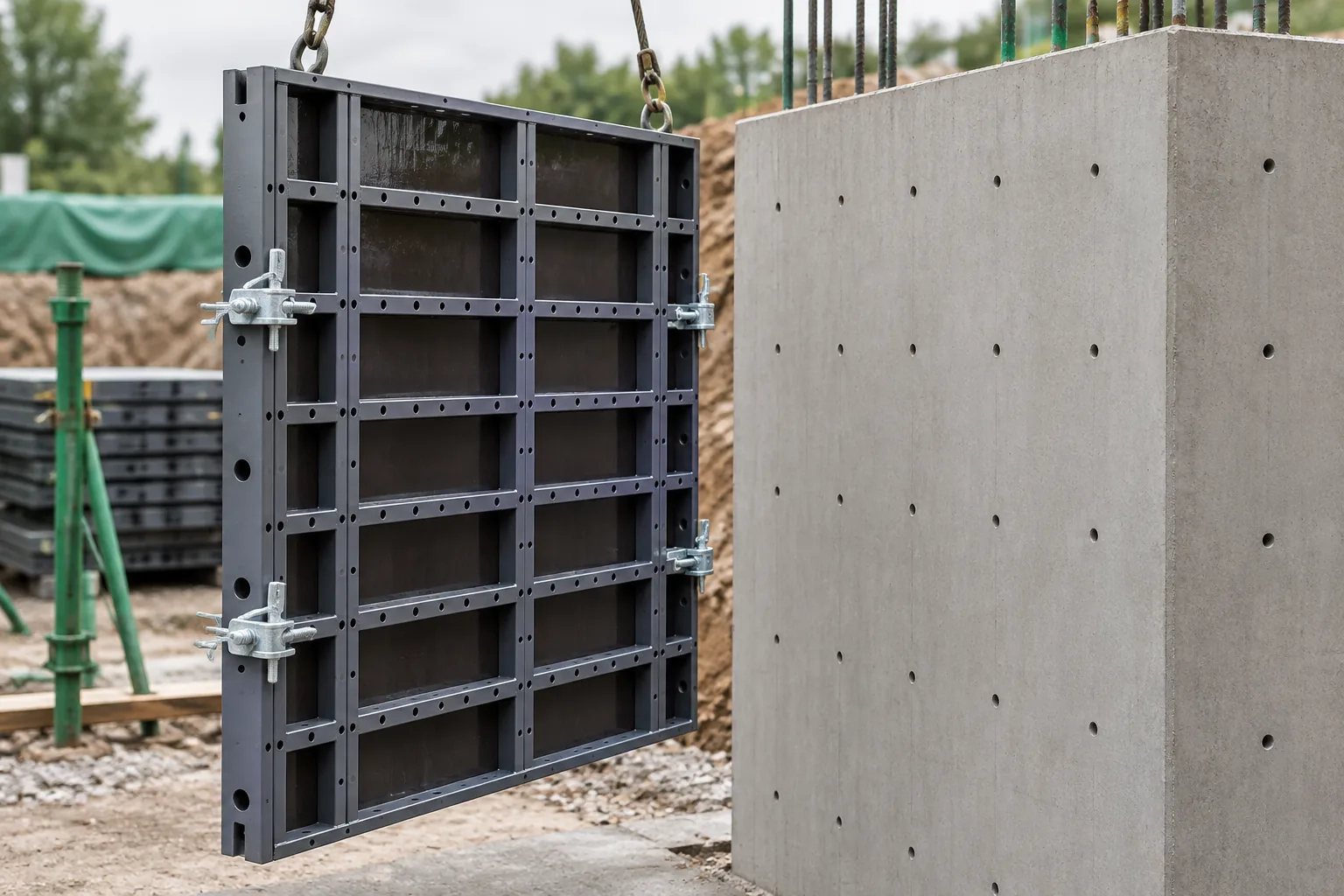
Release agents for construction, safer than diesel and kerosene.
What you won't find in an Astrobio blend:
Our replacements for NMP and DMF are labelled just as irritant.
Non-flammable replacements are available for flammable solvents.
All components are readily or inherently biodegradable according to OECD guidelines, with complete mineralization in less than 67 days.
Renewable raw materials, carbon neutrality and biodegradability: the essentials of bio-based solvents, in our company video.

Describe your process: we suggest the grade to test and, if your application needs it, we adapt the blend.
A sample of the suggested grade
Its technical data sheet

 English
  Italian
  German